
Kazimierz is Krakow's historic Jewish quarter — a compact, walkable neighbourhood of synagogues, courtyards and cafés just south of the Old Town. For over five centuries it was one of Europe's most important centres of Jewish religious and intellectual life, and today it is one of Krakow's most atmospheric places to spend an afternoon.
A Brief History
Kazimierz was founded in 1335 as an independent town by King Kazimierz III the Great, separate from Krakow itself until the two were merged in the 19th century. Following a fire and a royal decree in 1495 that removed Jewish residents from the Krakow city centre, Kazimierz's Jewish community grew into a major centre of religious scholarship, printing and trade that lasted, largely unbroken, until the Second World War.
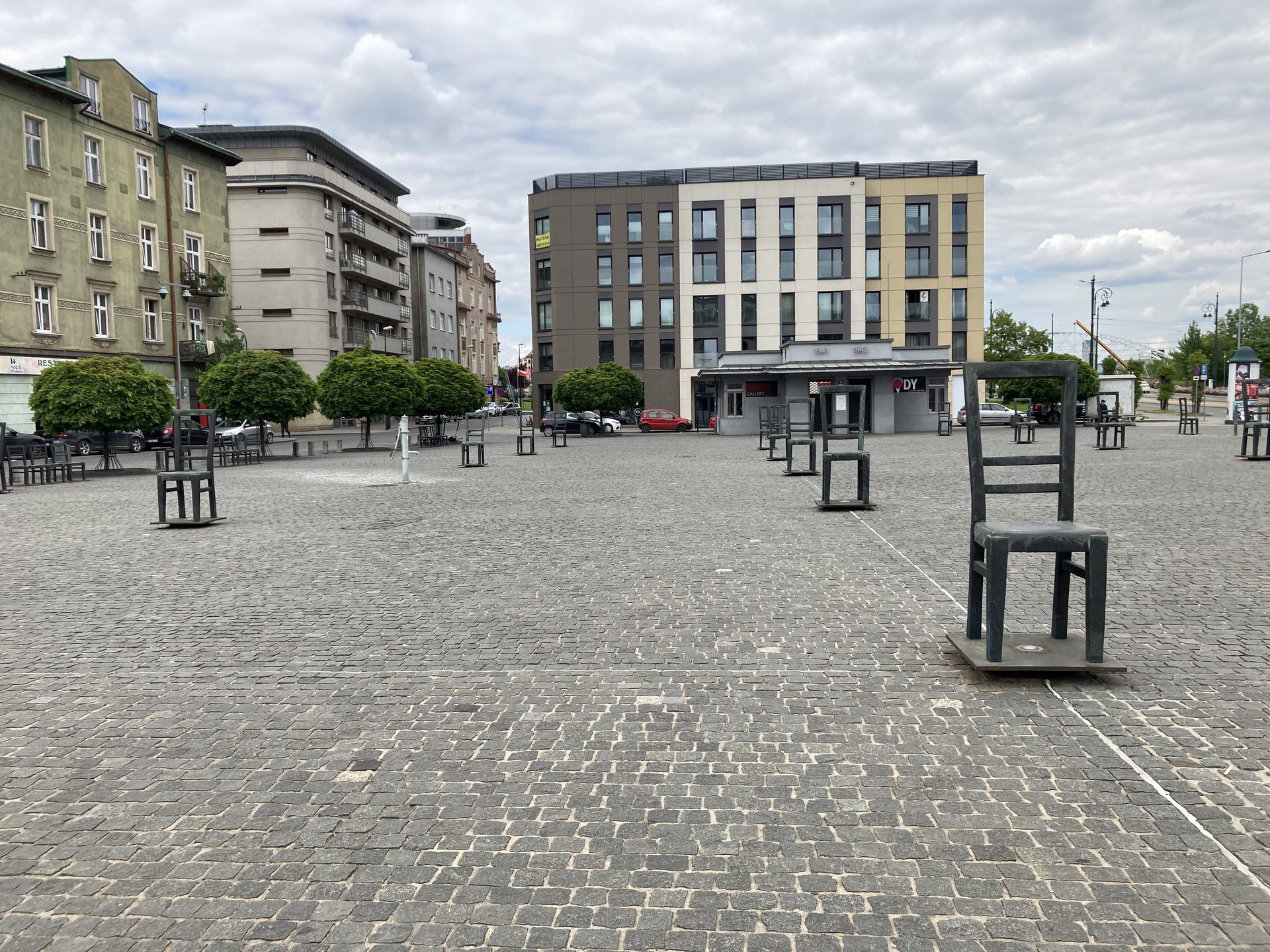
An important clarification: Kazimierz itself was not the site of the Nazi-era Krakow Ghetto. When German forces established the ghetto in March 1941, they located it across the Vistula River in Podgórze — and forcibly relocated Kazimierz's Jewish residents into it. Understanding this distinction helps make sense of what you're seeing on a walk through both neighbourhoods; read more in our history of the Krakow Ghetto.
The Synagogues of Kazimierz
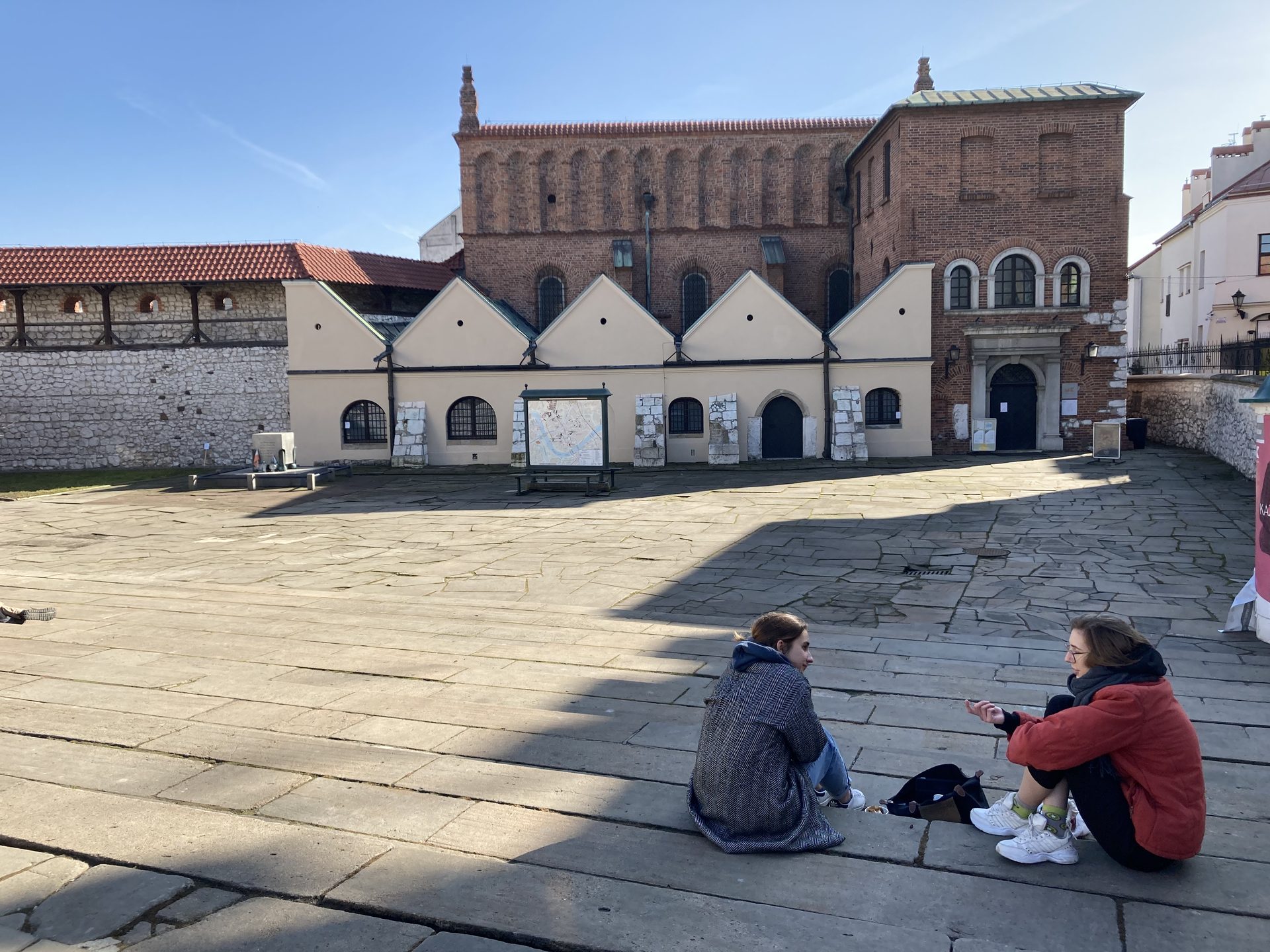
Seven historic synagogue buildings survive in Kazimierz, a rare concentration for a European city. They include the Old Synagogue (the oldest surviving synagogue building in Poland, now a museum), the Remuh Synagogue (still active, with its remarkable 16th-century cemetery — see our dedicated guide), the ornate Tempel Synagogue, the Kupa Synagogue, the Izaak Synagogue, the High (Wysoka) Synagogue, and the Poppera Synagogue. Each reflects a different congregation, architectural period and, in several cases, a different chapter of the neighbourhood's postwar life — some now serve as galleries, cultural centres, or house exhibitions rather than regular services.
Szeroka Street & the Old Jewish Cemetery
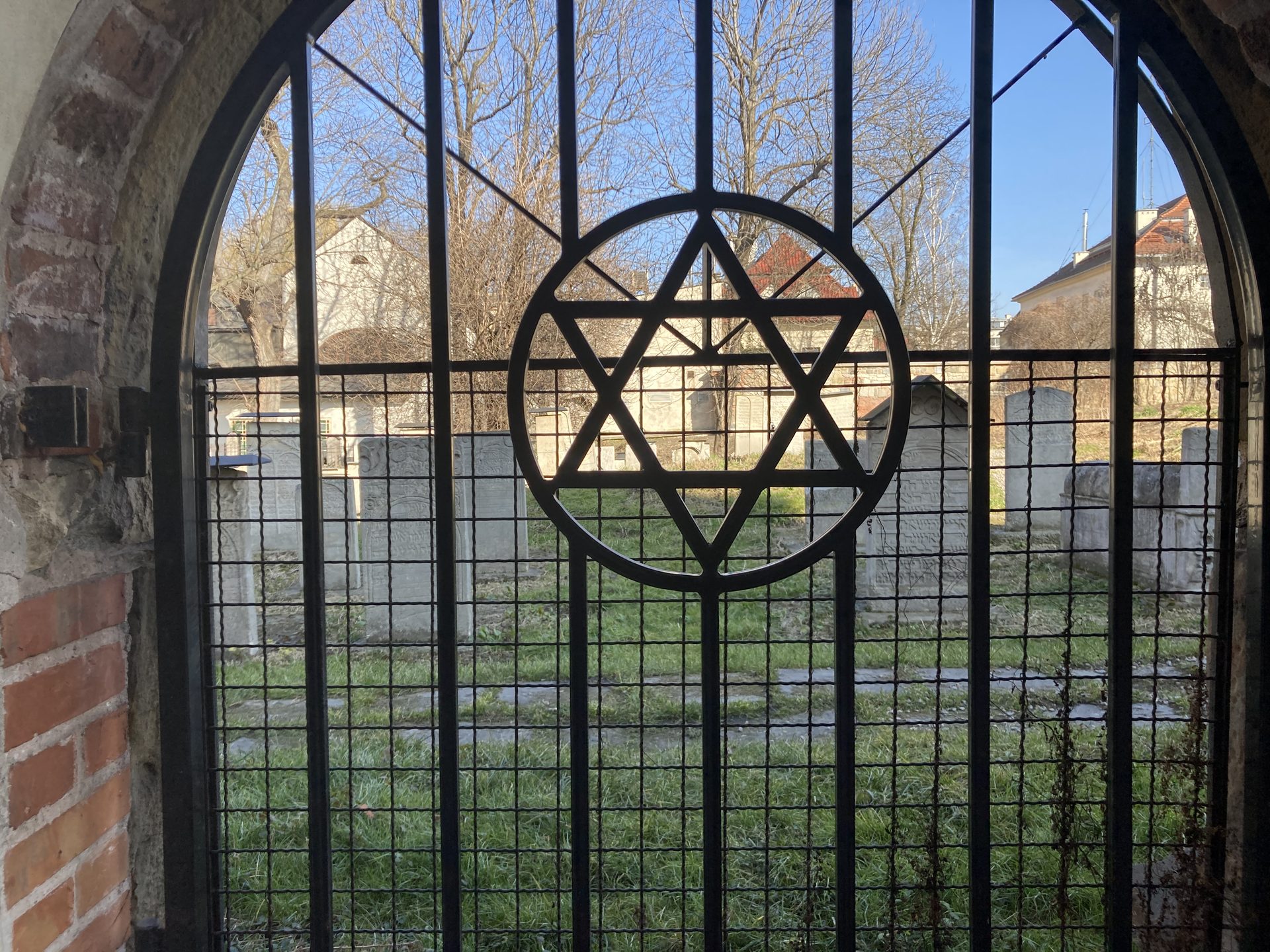
Szeroka Street — really a long, narrow square rather than a street — was historically the commercial and social heart of Jewish Kazimierz, and remains its most photogenic corner, framed by the Old Synagogue at one end and the Remuh at the other. Beside the Remuh Synagogue lies the Old Jewish Cemetery, in use from the 16th to the late 18th century and the resting place of Rabbi Moses Isserles, one of the most influential rabbinic scholars of his era. Many original gravestones survived the war hidden underground and were later restored.
Kazimierz Today
After decades of postwar neglect, Kazimierz's revival accelerated after 1989, helped along by the international attention that followed Steven Spielberg's Schindler's List, much of which was filmed in and around the neighbourhood. The annual Jewish Culture Festival, running since 1988, now draws visitors from around the world each summer. Alongside its synagogues and the Galicia Jewish Museum, today's Kazimierz is also a lively district of independent bookshops, galleries, bars and some of Krakow's best restaurants — a place where past and present sit unusually close together.
Practical Tips
- Most synagogue-museums keep shorter hours on Saturdays (Shabbat) and are closed on major Jewish holidays — check ahead if a specific site matters to you.
- Modest dress is appreciated when entering active synagogues and the cemetery.
- Kazimierz is easily walkable from the Old Town (about 15–20 minutes) or a short tram ride.
- A knowledgeable guide adds enormous depth here — many of the most interesting details (a hidden inscription, a rabbi's story, a building's postwar history) aren't on any plaque.