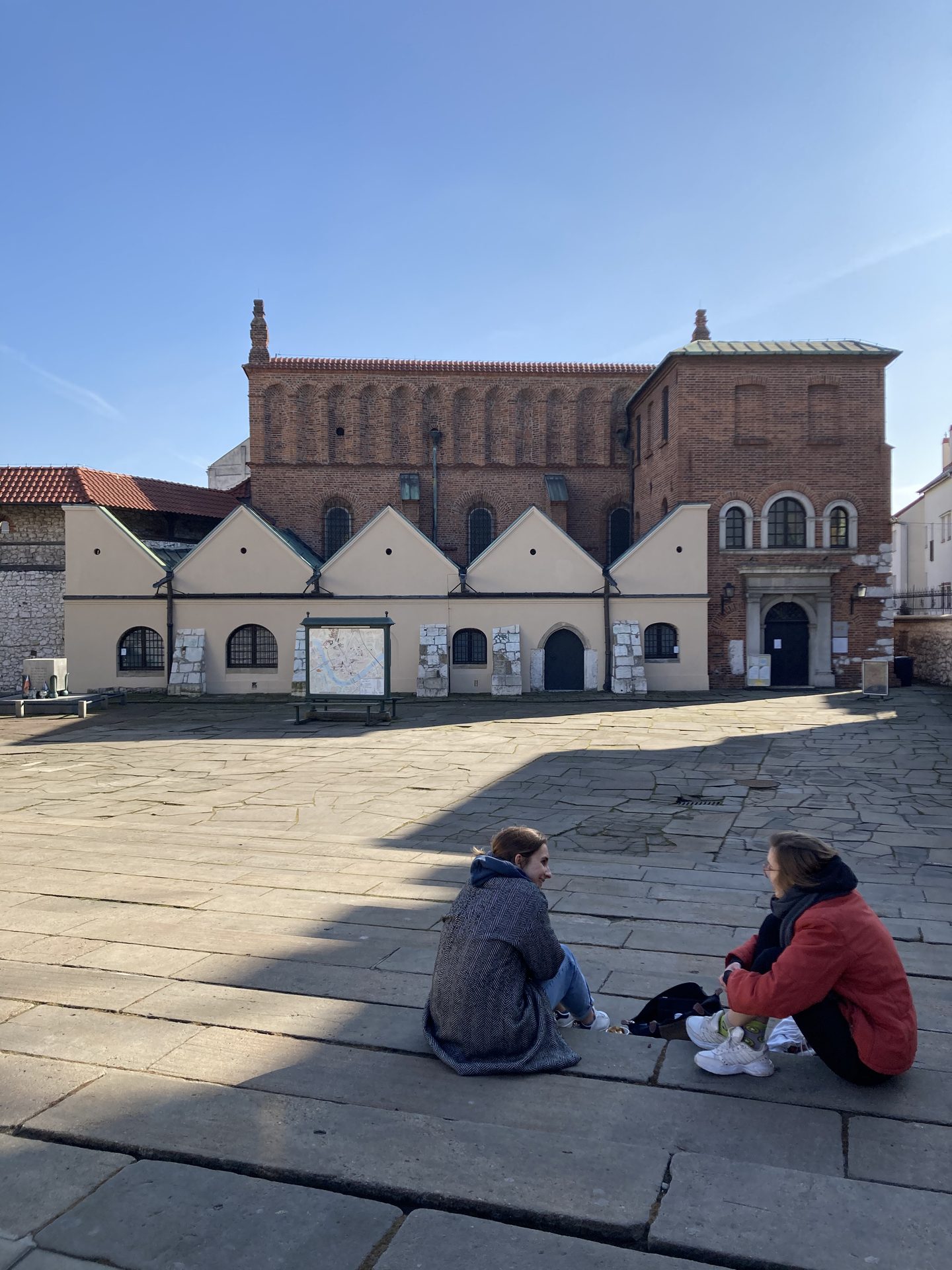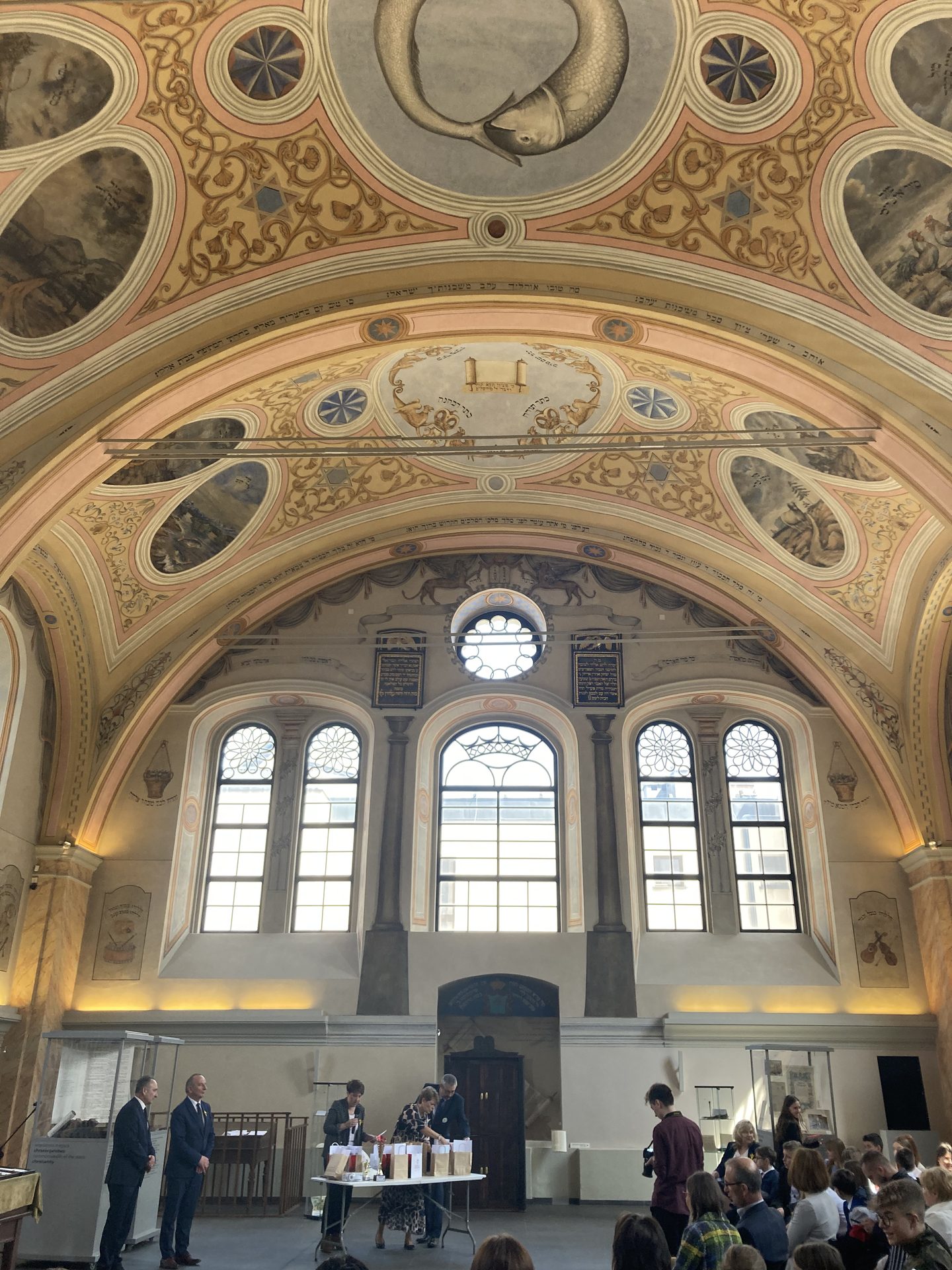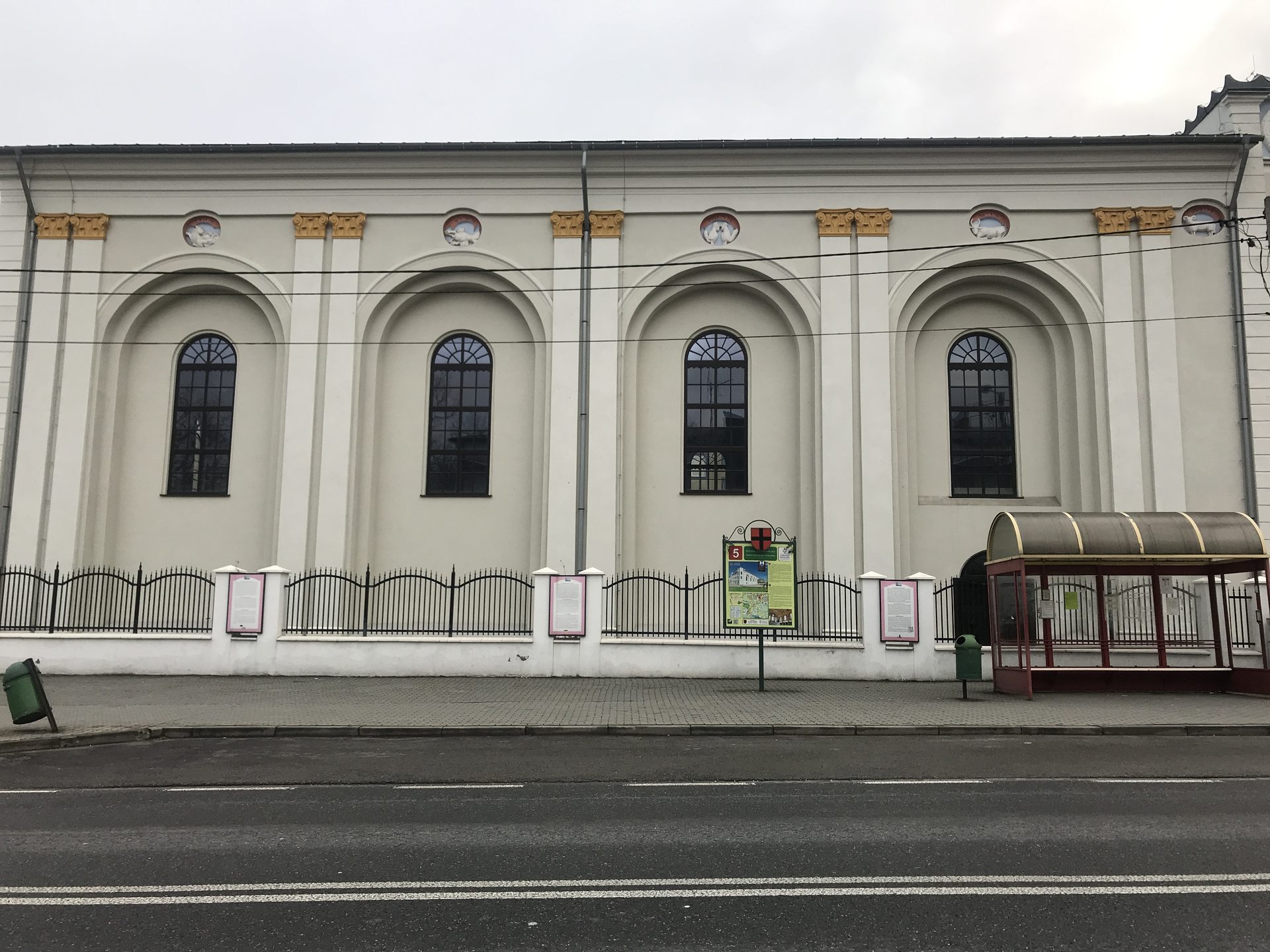

Tucked into a quiet corner of Szeroka Street, the Remuh Synagogue and the cemetery beside it form one of the most significant Jewish heritage sites in Poland — small in scale, but enormous in historical weight.
A Synagogue Built in Memory of a Son
The Remuh Synagogue was founded in the mid-16th century by Israel Isserles, a wealthy merchant, in memory of his son, Rabbi Moses Isserles. It remains Krakow's only synagogue that has been in continuous religious use since before the Second World War, and is often described as one of the smallest active synagogues in Poland — an intimate space rather than a grand one.
Rabbi Moses Isserles: The "Remuh"
Rabbi Moses Isserles (known by the Hebrew acronym "Remuh" or "ReMA") was one of the most important rabbinic scholars of the 16th century. He is best known for his glosses on the Shulchan Aruch, the great code of Jewish law compiled by Rabbi Joseph Karo — Isserles' additions, often called the "Mapah" ("Tablecloth", laid over Karo's "Set Table"), adapted the code for Ashkenazi Jewish custom and remain foundational to Jewish legal tradition to this day. His grave in the cemetery beside the synagogue has been a site of pilgrimage for centuries.
The Old Cemetery
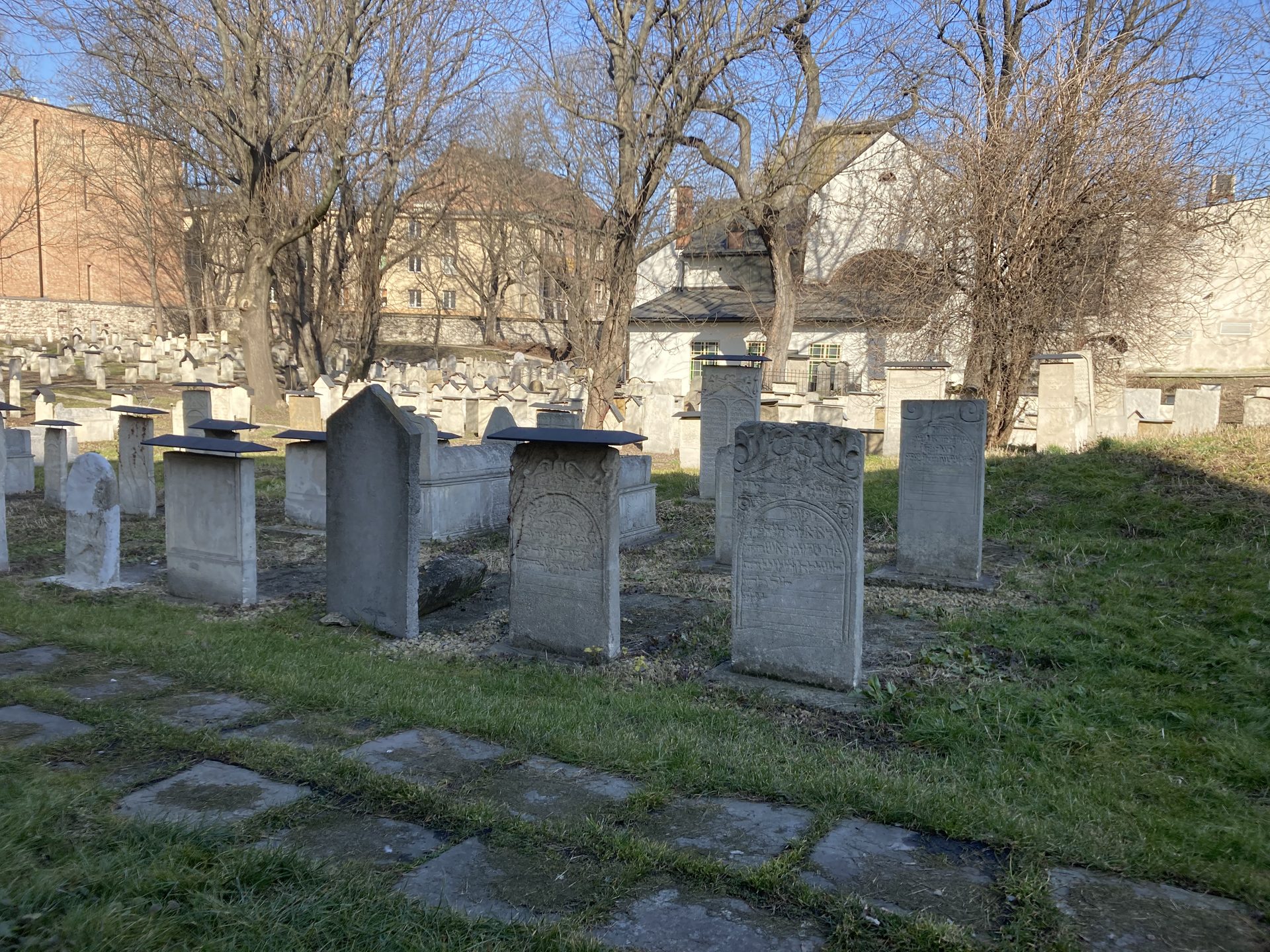
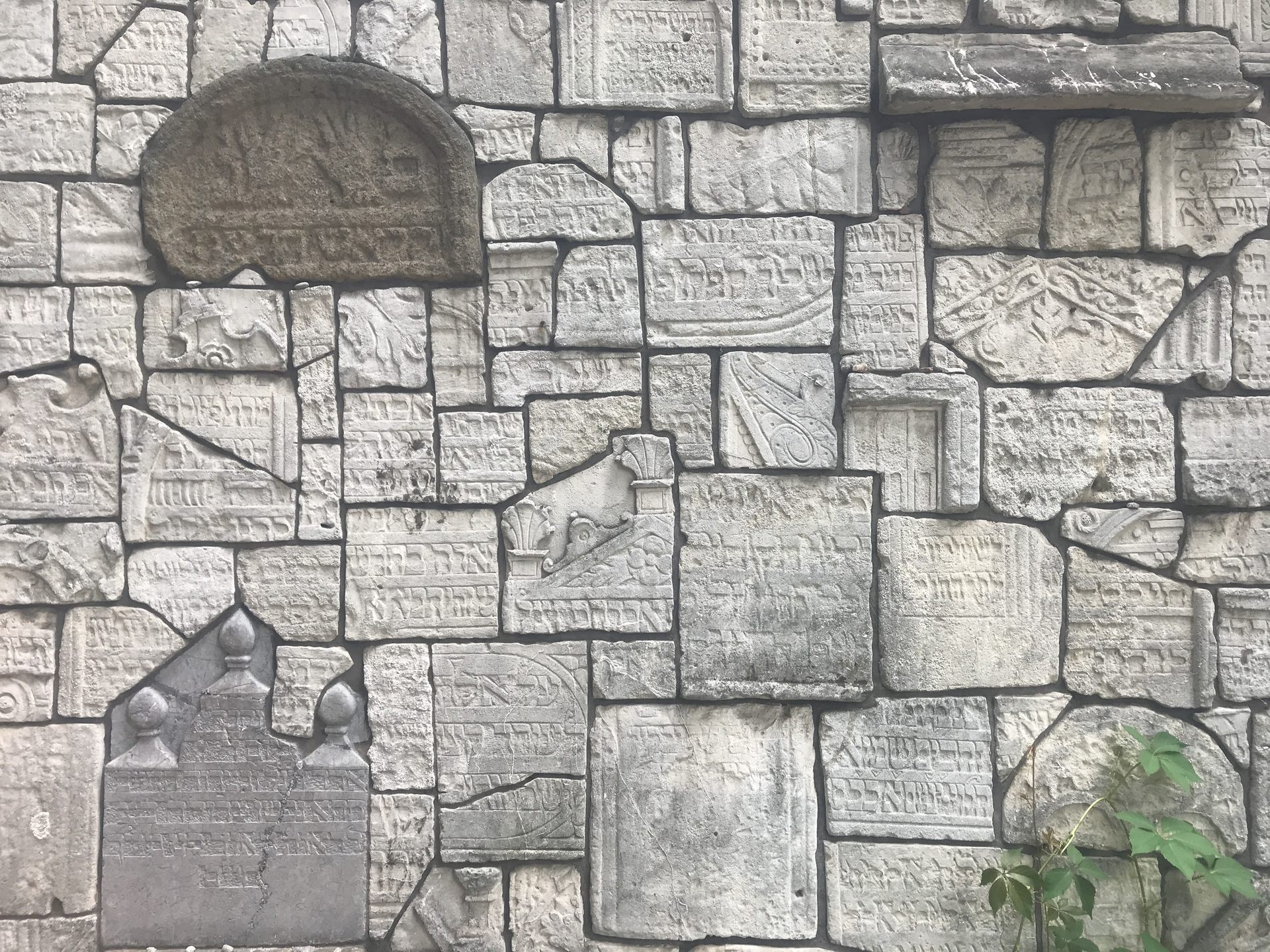
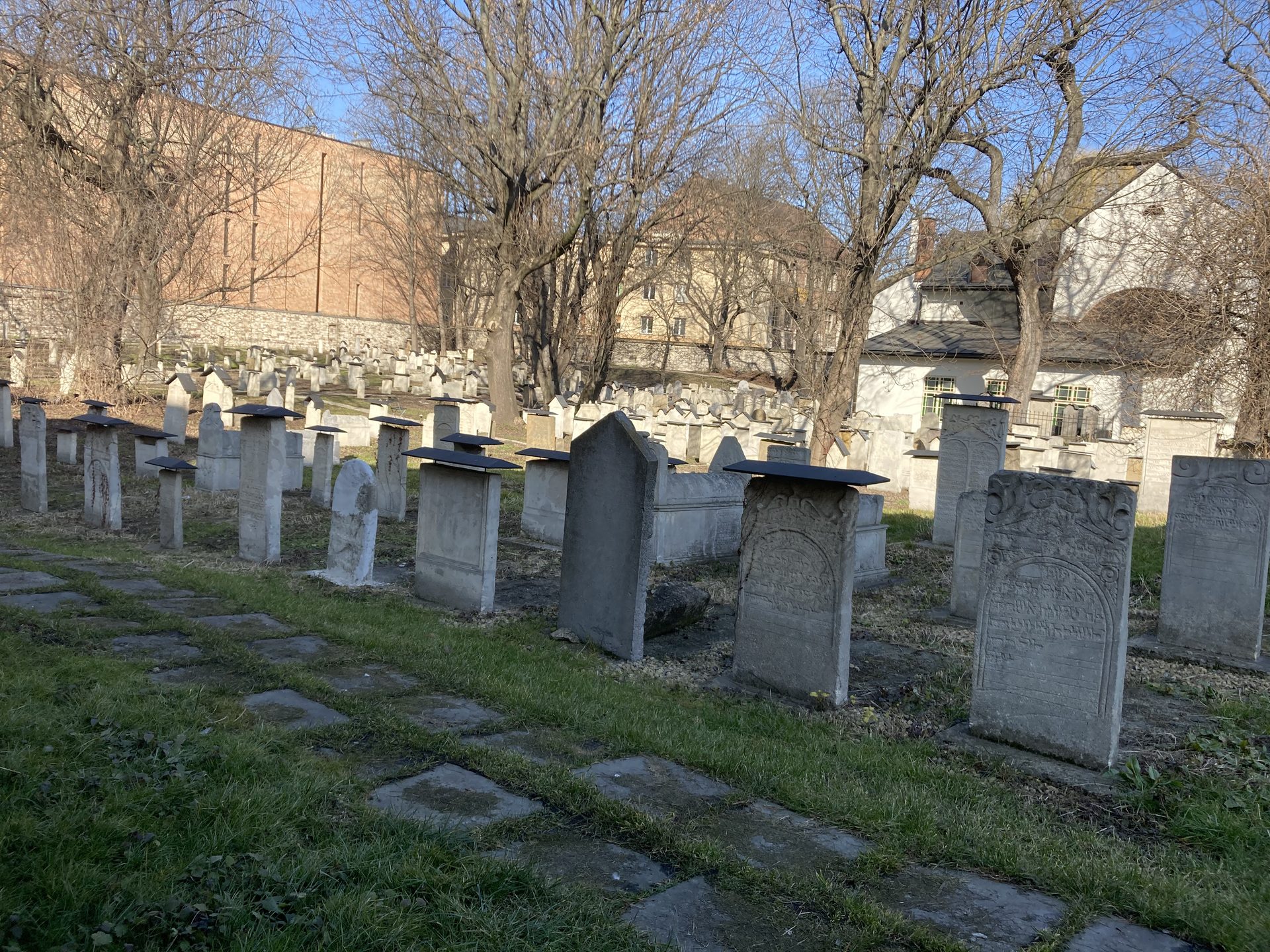
The Remuh Cemetery is among the oldest surviving Jewish cemeteries in Poland, in use from the 16th century until the early 1800s. Its densely packed, weathered Renaissance and Baroque tombstones (matzevot) are unusually rich in decorative carving for a Jewish cemetery of this period. During the German occupation, many stones were removed, buried, or used as paving; after the war, restoration efforts — supported by international donors — recovered and re-erected a remarkable number of them, though many original stones remain lost. Walking among them today is one of the most moving experiences Kazimierz has to offer.
Visiting Today
Because the Remuh remains an active synagogue, opening hours for visitors are more limited than at the museum-synagogues nearby, and it is closed to tourism on Saturdays (Shabbat) and Jewish holidays. Modest dress is expected, and men are generally asked to cover their heads inside, with kippot usually available at the entrance. A guide familiar with both the history and the religious context can help you get the timing right and understand what you're seeing.