There's no single "best" month for a Jewish heritage visit to Krakow — each season offers something different. Here's how to choose based on what matters most to you.
Spring (April–May)
Mild weather, blooming courtyards in Kazimierz, and noticeably fewer crowds than summer make spring a favourite for many of our guests. Synagogue and museum hours are typically back to their full spring/summer schedules, and outdoor walking is comfortable without the summer heat.
Summer (June–August)
This is peak season: the longest days, the warmest weather, and — for many — the highlight of the year, the annual Jewish Culture Festival in Kazimierz, typically held over about ten days in late June into July, with concerts, workshops and lectures culminating in a large open-air klezmer concert. The trade-off is bigger crowds at major sites and museums, so advance booking (especially for Schindler's Factory Museum and Auschwitz-Birkenau) becomes essential.
Autumn (September–October)
Many guides, including ourselves, consider early autumn the sweet spot: warm, golden light for photography, comfortable walking temperatures, and a noticeable easing of summer crowds after early September, while opening hours remain generous.
Winter (November–March)
Krakow's winter is cold and the days are short, but a quieter Kazimierz has its own appeal — synagogues and museums are far less crowded, and a walk through Szeroka Street in fresh snow is genuinely beautiful. A few practical notes: some sites reduce their hours around the Christmas and New Year period, and the Auschwitz-Birkenau Memorial is closed entirely on 25 December, 1 January and Easter Sunday.
Jewish Holidays & Synagogue Access
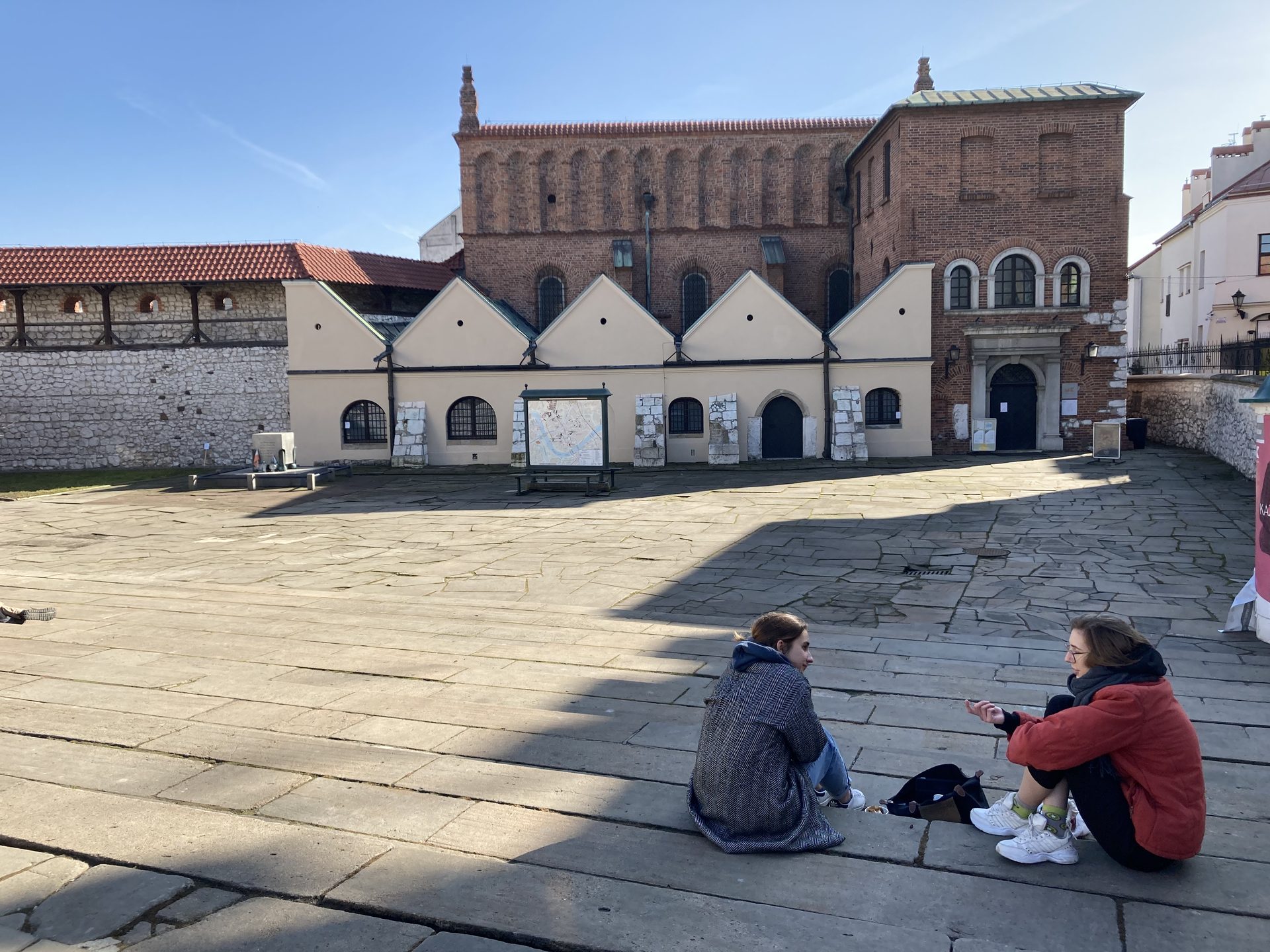
Active synagogues, particularly the Remuh, restrict visitor access on Saturdays (Shabbat) and major Jewish holidays such as Rosh Hashanah, Yom Kippur and Passover — worth checking if visiting a specific working synagogue matters to you. Museum-synagogues (the Old Synagogue, Tempel and others operated as museums) generally follow standard museum hours instead.
Our Recommendation
If your dates are flexible, late spring or early autumn offer the best balance of good weather, full opening hours and manageable crowds. If you're drawn specifically to the Jewish Culture Festival, build your trip around late June/early July and book accommodation and museum tickets well ahead. Whatever the season, get in touch before you travel and I'll help you plan around opening hours, holidays and festival dates for your specific week.