
Walk through Kazimierz with the right stories in mind, and its streets stop being a backdrop and start being a cast of characters. Here are three Krakow lives — a rabbi, a beauty-industry pioneer, and an educator — spanning roughly five centuries of Jewish history.
The Remuh: Krakow's Great Legal Mind
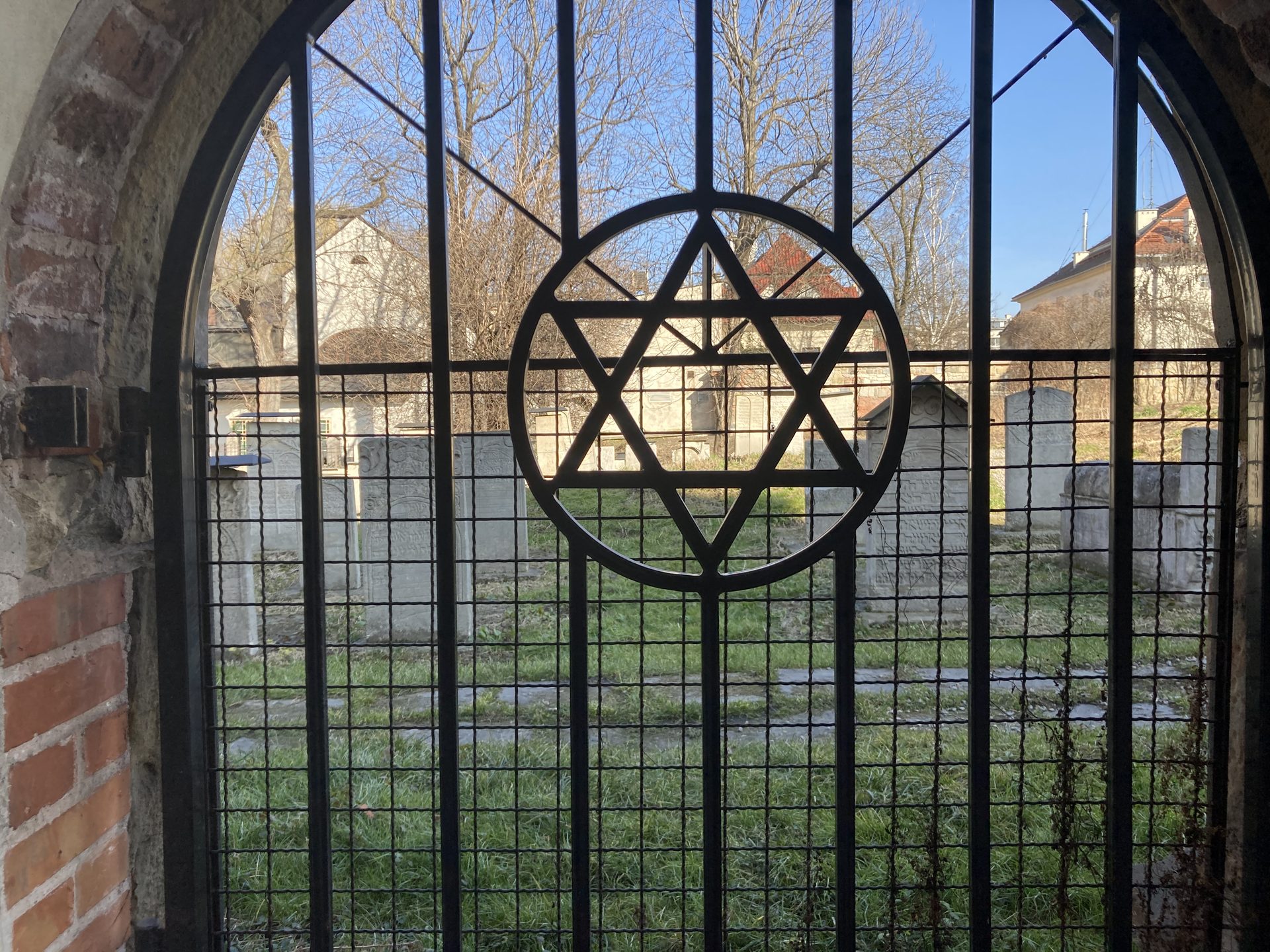
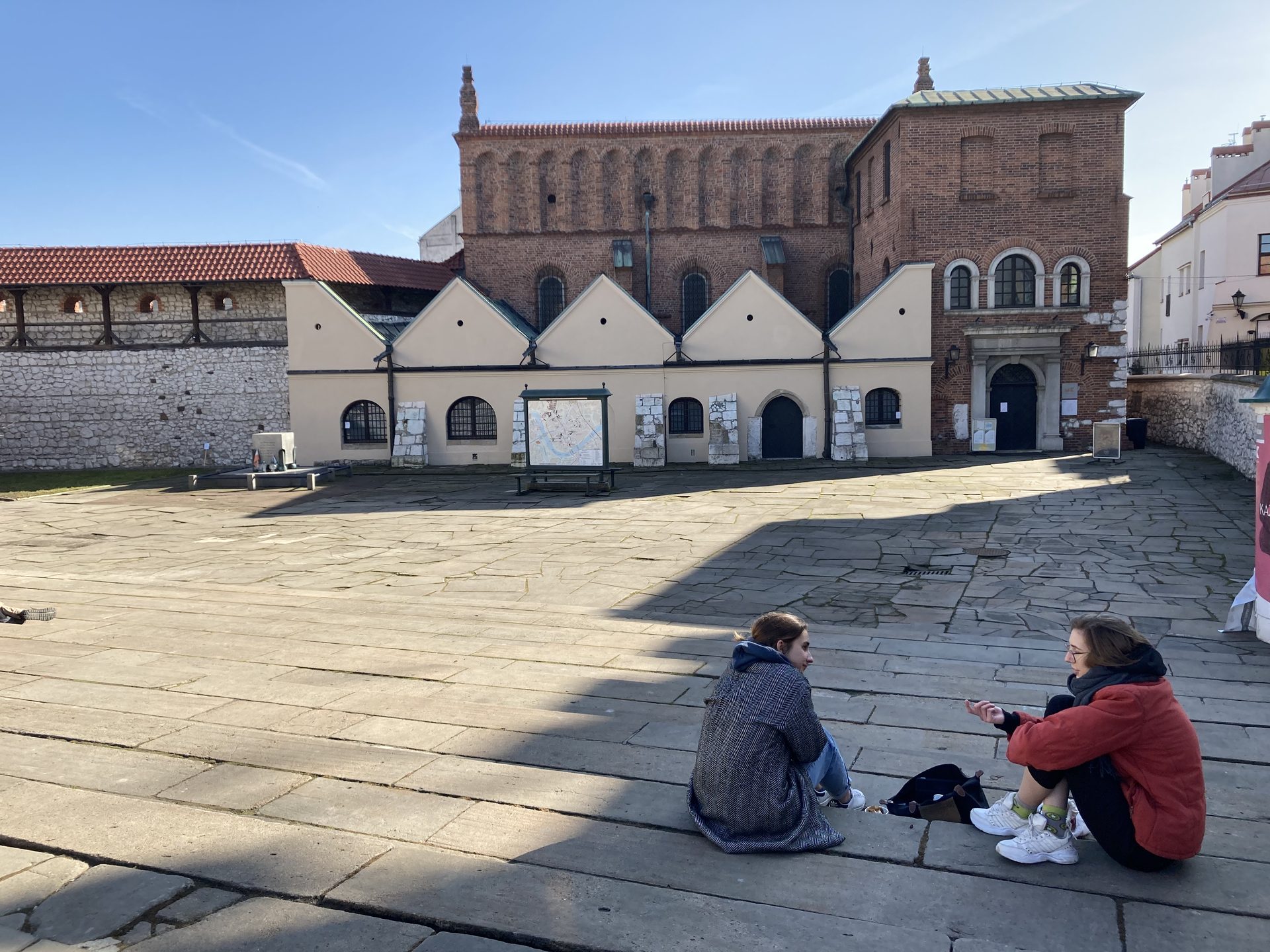
Rabbi Moses Isserles, known as the Remuh, was born in Krakow in the early 16th century and became one of the most influential rabbinic scholars in Jewish history. His gloss on the Shulchan Aruch — the "Mapah", adapting the code of Jewish law for Ashkenazi custom — remains a foundational text of Jewish practice to this day, studied wherever Jewish law is taught. He is buried in the cemetery beside the synagogue built in his honour on Szeroka Street, a site that has drawn visitors and scholars for centuries; local tradition holds that during a devastating fire in the Krakow ghetto in the 17th century, the flames stopped short of his grave — a story told for generations as testament to his standing. Read more in our guide to the Remuh Synagogue and Cemetery.
Helena Rubinstein: From Kazimierz to a Global Empire
Born into a Jewish family in Krakow in the early 1870s, Helena Rubinstein left Poland as a young woman and, after settling first in Australia, built one of the first global cosmetics empires of the 20th century, with salons and laboratories eventually spanning Melbourne, London, Paris and New York. She became one of the era's wealthiest self-made businesswomen, credited with helping turn skincare into a modern, scientifically-marketed industry — a strikingly different, and less commonly told, side of Krakow's Jewish story than the histories of religion and persecution that dominate most tours. Her early life in Kazimierz, in the same streets that shaped so many other paths, is a reminder of how far a Krakow upbringing could travel.
Sarah Schenirer: Reimagining Jewish Education
Sarah Schenirer, born in Krakow in the 1880s to an Orthodox family, founded the Bais Yaakov movement in the city in 1917 — the first organised network of schools providing formal Jewish religious education to girls, at a time when such education was reserved almost exclusively for boys. What began as a single classroom in Krakow grew, within her lifetime, into a movement with schools across Poland and beyond; the Bais Yaakov model remains the foundation of Orthodox Jewish girls' education worldwide today. Few figures illustrate more clearly how consequential Jewish Krakow's intellectual and religious life was, far beyond the city's own streets.
Why These Stories Matter on a Walking Tour
It's easy for a history of Jewish Krakow to collapse into a single narrative of loss. Isserles, Rubinstein and Schenirer are a reminder that this was also a community of extraordinary scholarship, ambition and innovation across five centuries — stories I make a point of weaving into the Jewish Heritage Private Walking Tour, alongside the histories of the ghetto and the Holocaust that necessarily also form part of the story.